Poison Ivy Removal in Delaware County, PA
Poison ivy removal services are designed to help homeowners safely eliminate this common and troublesome plant from their properties. These services typically cover a variety of projects, including clearing poison ivy from yard landscapes, garden beds, fence lines, and wooded areas. Proper removal is essential to prevent skin irritation and allergic reactions, making it important for property owners to understand the scope of the work, potential safety precautions, and the importance of thorough eradication to prevent regrowth.
Before requesting poison ivy removal, property owners usually want to know about the extent of the infestation, the methods used for removal, and whether the plant will be completely eliminated. It's also helpful to consider the location of the poison ivy-such as near play areas, patios, or garden spaces-and to inquire about any necessary follow-up treatments. Clear communication about these details can ensure the project addresses specific concerns and maintains safety throughout the process.
Many property owners in Delaware County, PA look into Poison Ivy Removal for repairs, replacements, upgrades, and appearance-related improvements.
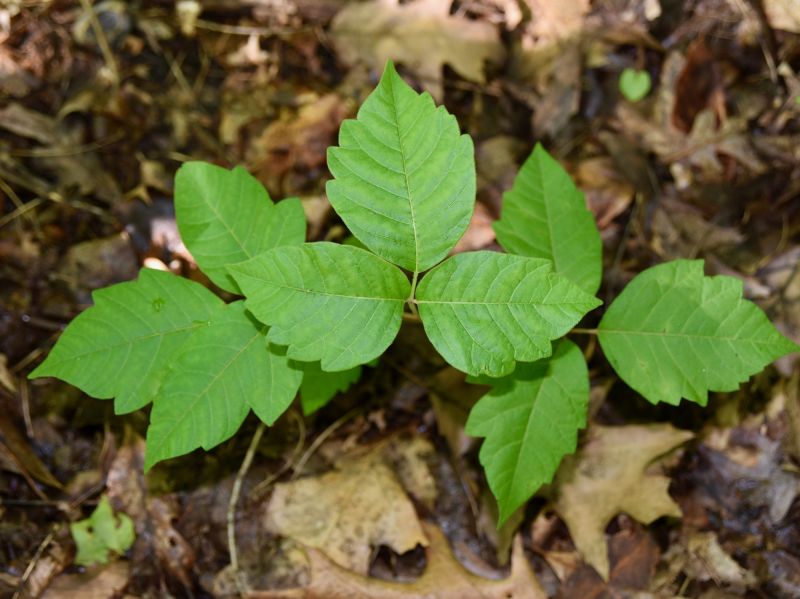
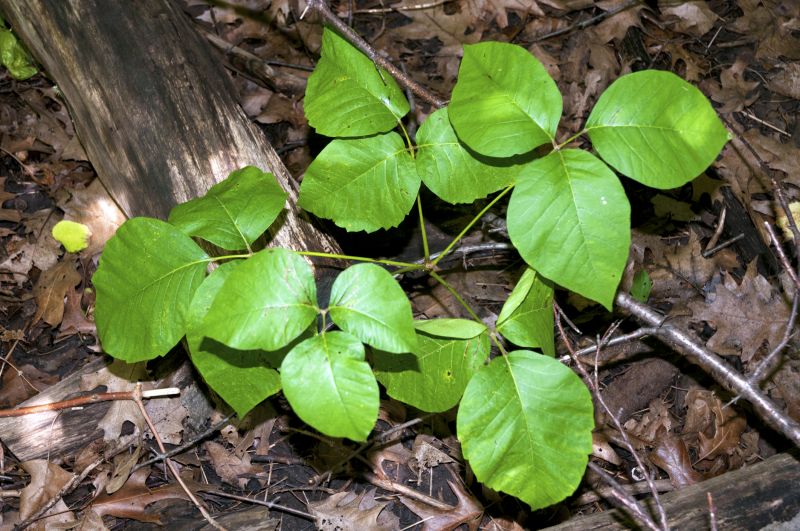
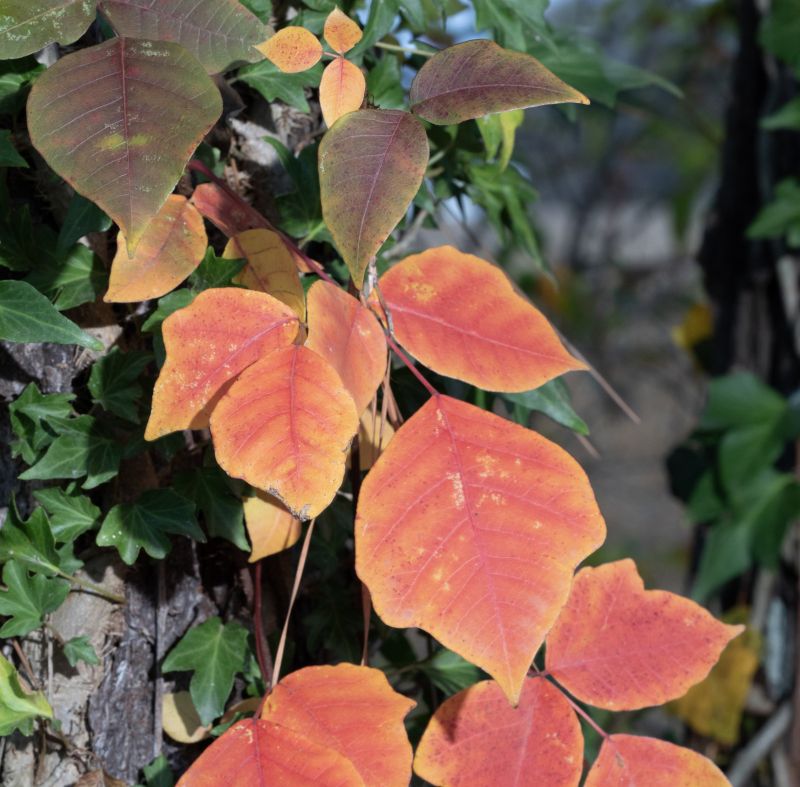
Identifying Poison Ivy
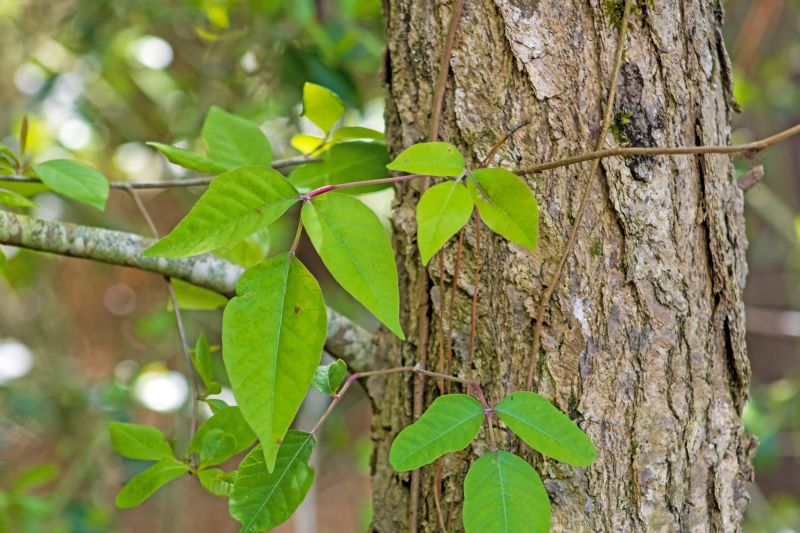
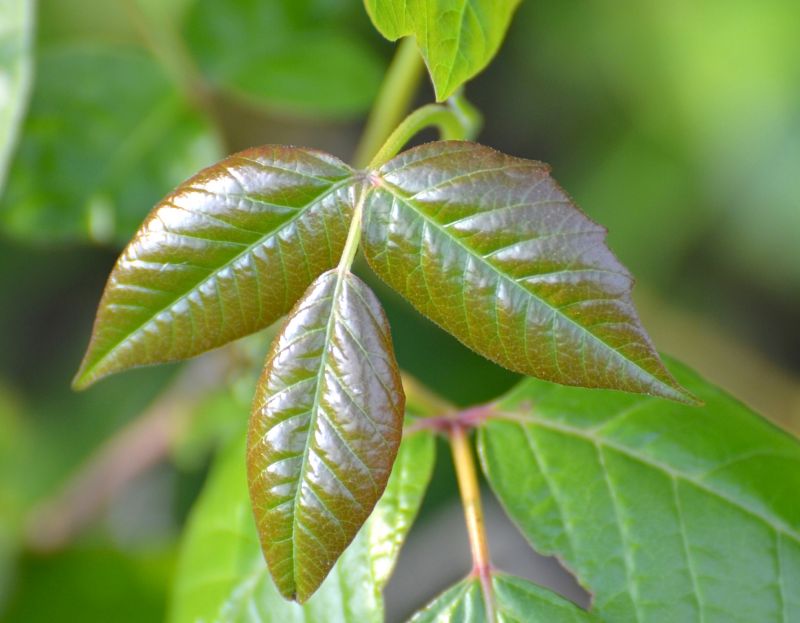
Recognizing poison ivy can prevent accidental contact and skin irritation on residential and commercial properties.
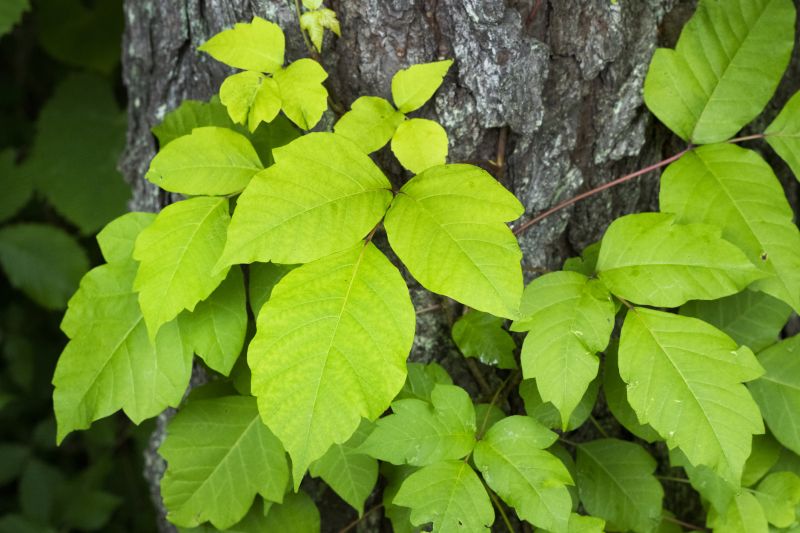
Safe Removal Techniques
Proper removal methods ensure the plant is eliminated without spreading or causing damage to surrounding landscaping.
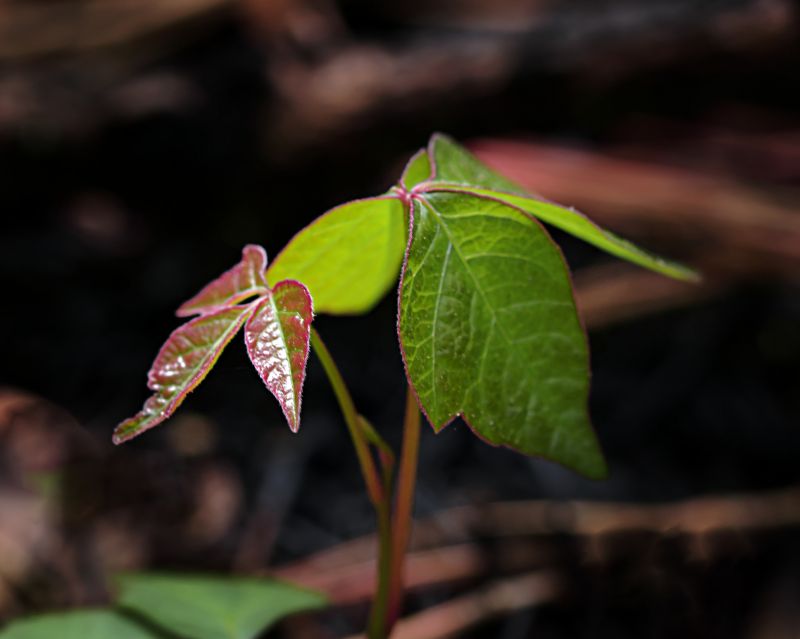
Preventative Landscaping
Implementing strategic landscaping practices can reduce the likelihood of poison ivy regrowth in delaware county yards and gardens.
Poison Ivy Removal in Delaware County, PA
Poison ivy removal services are designed to help homeowners safely eliminate this common and troublesome plant from their properties. These services typically cover a variety of projects, including clearing poison ivy from yard landscapes, garden beds, fence lines, and wooded areas. Proper removal is essential to prevent skin irritation and allergic reactions, making it important for property owners to understand the scope of the work, potential safety precautions, and the importance of thorough eradication to prevent regrowth.
Before requesting poison ivy removal, property owners usually want to know about the extent of the infestation, the methods used for removal, and whether the plant will be completely eliminated. It's also helpful to consider the location of the poison ivy-such as near play areas, patios, or garden spaces-and to inquire about any necessary follow-up treatments. Clear communication about these details can ensure the project addresses specific concerns and maintains safety throughout the process.
Many property owners in Delaware County, PA look into Poison Ivy Removal for repairs, replacements, upgrades, and appearance-related improvements.
Common Poison Ivy Removal Jobs
Poison Ivy Removal - Safely eliminates invasive plants from yards and landscapes.
Yard Clearing - Removes poison ivy from lawns, gardens, and wooded areas.
Property Maintenance - Keeps outdoor spaces free of poison ivy growth.
Landscape Cleanup - Clears poison ivy during seasonal yard cleanups.
Brush and Shrub Removal - Extracts poison ivy from overgrown shrubs and bushes.
Preventative Treatments - Applies solutions to inhibit future poison ivy growth.
Poison Ivy Removal Questions
What is poison ivy removal? Poison ivy removal involves safely eliminating the plant to prevent skin irritation and protect property.
When should poison ivy be removed? Removal is recommended when poison ivy is found in high-traffic areas or near structures to reduce exposure risks.
How is poison ivy removed from a property? The process typically includes carefully cutting and removing the plant, followed by proper disposal to prevent regrowth.
Are there safety precautions during removal? Yes, protective clothing and equipment are used to prevent skin contact and minimize health risks during removal.
Request Poison Ivy Removal in Delaware County, PA
Use the quote form on this page to share the basics of your project and request more information for the type of work you need.