Hemlock Removal in Philadelphia, PA
Hemlock removal services involve the careful and effective elimination of hemlock trees from residential properties. This process is often requested when trees pose safety concerns, such as risk of falling, or when they are affecting the health of other plants and trees in the landscape. Projects can range from removing a single hazardous tree to clearing multiple hemlocks to improve visibility, create space for new landscaping, or prevent the spread of pests and diseases that can threaten nearby vegetation.
Homeowners considering hemlock removal should understand the scope of the project, including the size and location of the trees, as well as any potential impact on the landscape. It’s important to evaluate whether removal is necessary for safety, aesthetic, or health reasons, and to consider any regulations or property restrictions that may apply. Proper planning ensures that the removal process is safe, efficient, and aligns with the overall goals for the property’s landscape.
Many property owners in Philadelphia, PA look into Hemlock Removal for repairs, replacements, upgrades, and appearance-related improvements.
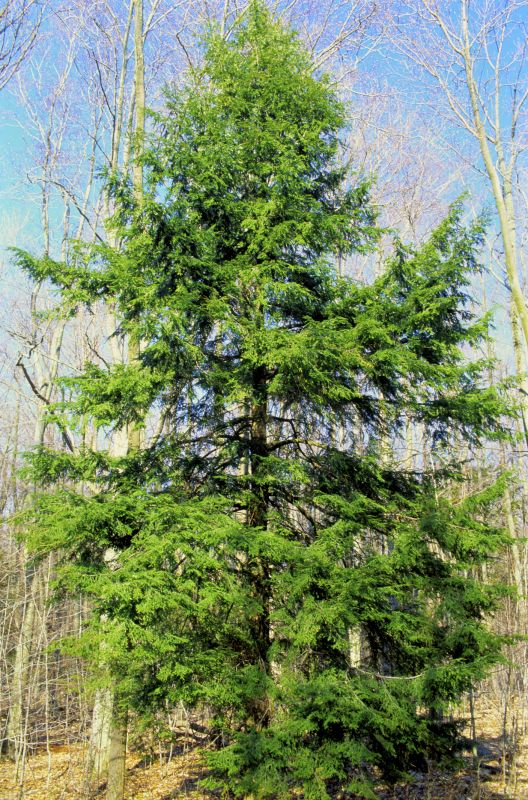
Hazardous Tree Removal
Removing hemlocks that pose safety risks or threaten nearby structures.
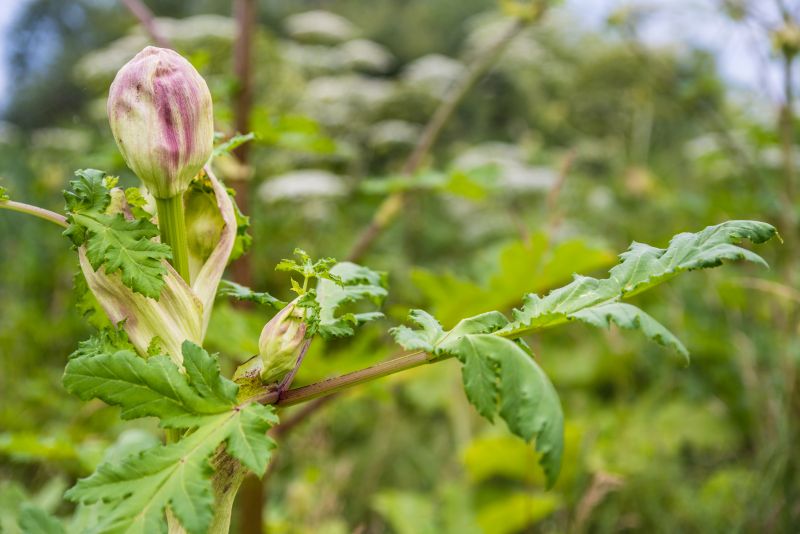
Property Enhancement
Clearing overgrown hemlocks to improve yard aesthetics and usability.
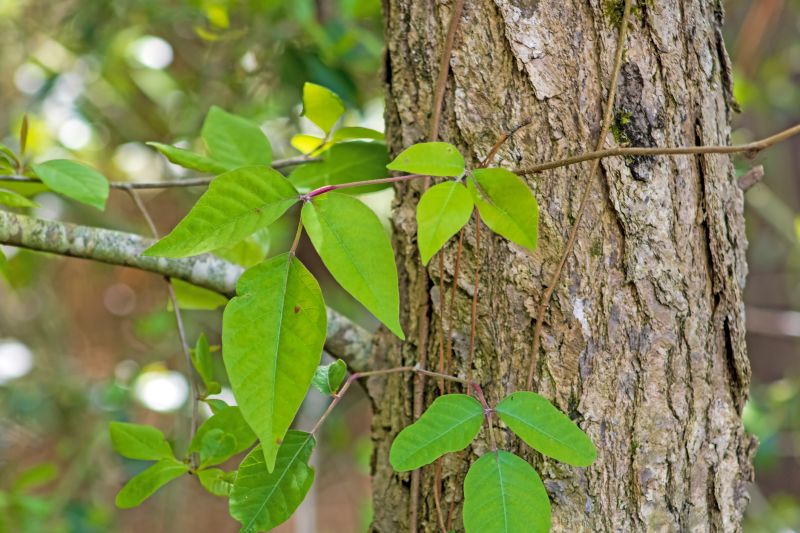
Storm Damage Cleanup
Removing fallen or damaged hemlocks after storms to maintain safety and appearance.
Hemlock Removal in Philadelphia, PA

Hemlock removal services involve the careful and effective elimination of hemlock trees from residential properties. This process is often requested when trees pose safety concerns, such as risk of falling, or when they are affecting the health of other plants and trees in the landscape. Projects can range from removing a single hazardous tree to clearing multiple hemlocks to improve visibility, create space for new landscaping, or prevent the spread of pests and diseases that can threaten nearby vegetation.
Homeowners considering hemlock removal should understand the scope of the project, including the size and location of the trees, as well as any potential impact on the landscape. It’s important to evaluate whether removal is necessary for safety, aesthetic, or health reasons, and to consider any regulations or property restrictions that may apply. Proper planning ensures that the removal process is safe, efficient, and aligns with the overall goals for the property’s landscape.
Many property owners in Philadelphia, PA look into Hemlock Removal for repairs, replacements, upgrades, and appearance-related improvements.
Common Hemlock Removal Jobs
Hemlock removal involves safely removing invasive hemlock trees to protect surrounding landscape health.
Heavily infested hemlocks are removed to prevent the spread of pests and disease.
Selective hemlock clearing helps improve sunlight access and encourages native plant growth.
Stump grinding services eliminate remaining roots to prevent regrowth and maintain landscape appearance.
Emergency hemlock removal addresses hazardous trees that pose safety risks during storms or high winds.
Property clearing includes removing multiple hemlocks to restore the overall health and aesthetics of the yard.
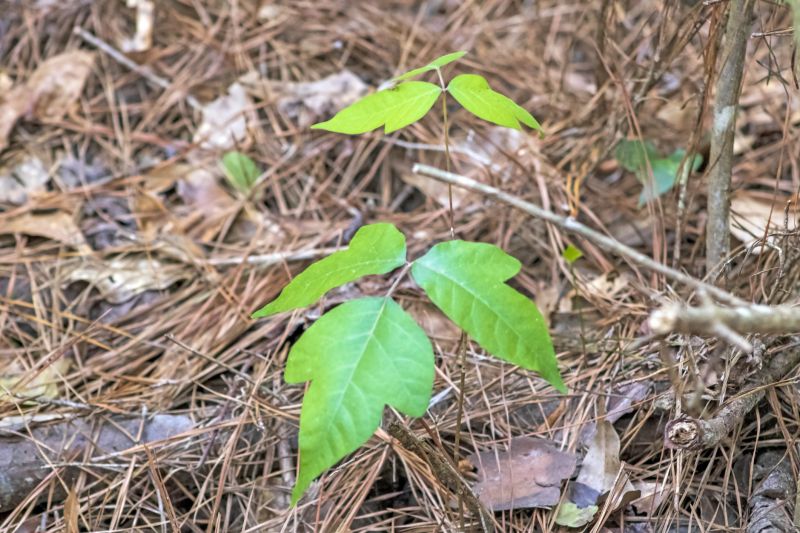
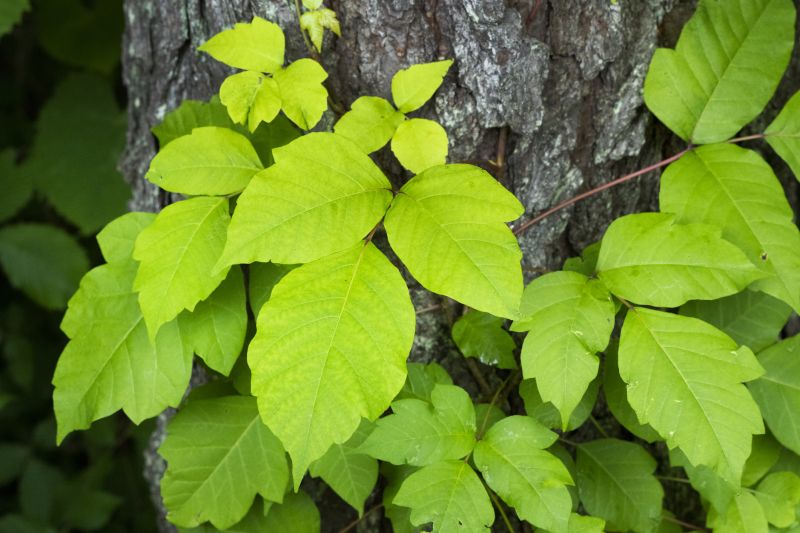
Hemlock Removal Questions
Why should Hemlocks be removed from a property? Hemlocks can pose risks such as falling branches and root damage, which may affect nearby structures and landscaping.
What are common signs that a Hemlock needs removal? Signs include dead or dying foliage, leaning branches, or visible decay indicating health issues.
How does Hemlock removal benefit property safety? Removing Hemlocks reduces the risk of falling limbs and minimizes potential damage to structures and people.
What factors influence the removal process? The size, location, and health of the Hemlock tree are key factors in determining the appropriate removal approach.
Request Hemlock Removal in Philadelphia, PA
Use the quote form on this page to share the basics of your project and request more information for the type of work you need.