Tree Branches Removal in Honolulu, HI
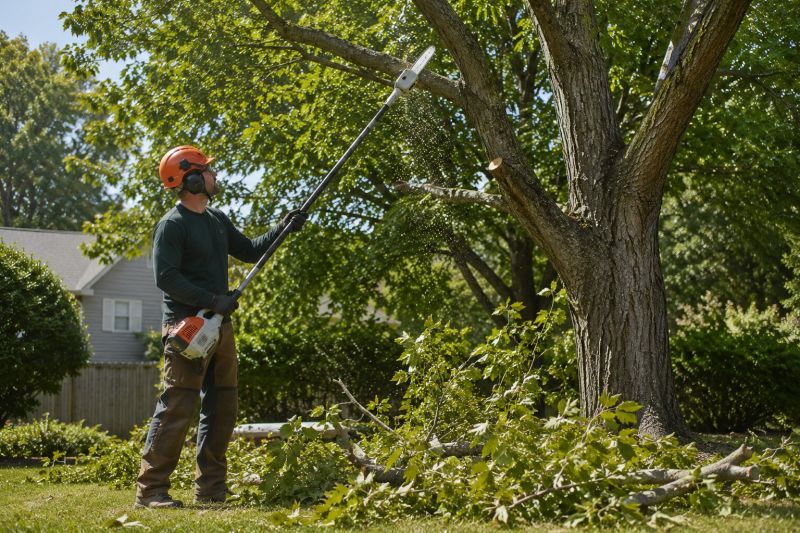
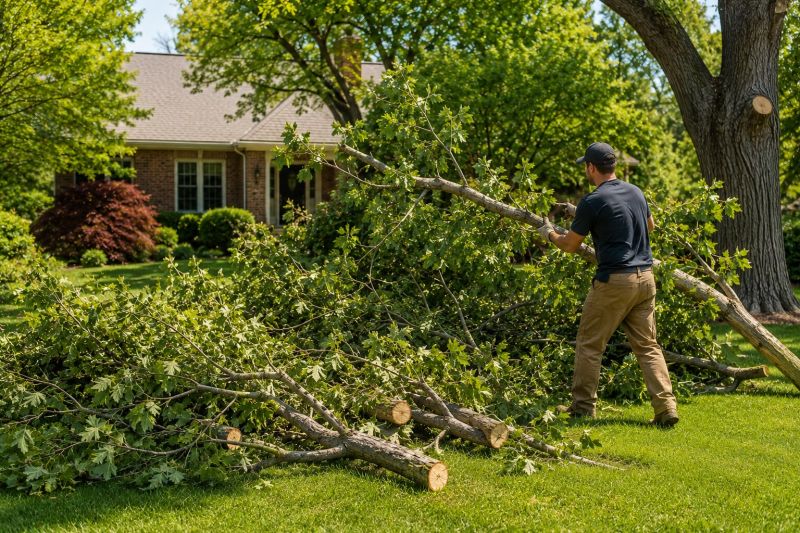
Tree branches removal services involve trimming or cutting back overgrown or hazardous branches to maintain the health, safety, and appearance of trees on residential properties. This service covers a variety of projects, including removing dead or broken limbs, thinning dense canopies, and clearing branches that pose a risk to structures, power lines, or people. Property owners typically seek this service to prevent damage during storms, improve sunlight exposure, or enhance the overall aesthetic of their yard.
Before requesting tree branches removal, property owners should consider the size and location of the branches in question, as well as any potential impact on the overall health of the tree. It's also useful to understand if any permits are required for extensive trimming, especially for heritage or protected trees. Clear communication about the specific goals for branch removal can help ensure the project aligns with the property’s safety and landscape needs.
Many property owners in Honolulu, HI look into Tree Branches Removal for repairs, replacements, upgrades, and appearance-related improvements.
Safety And Clearance
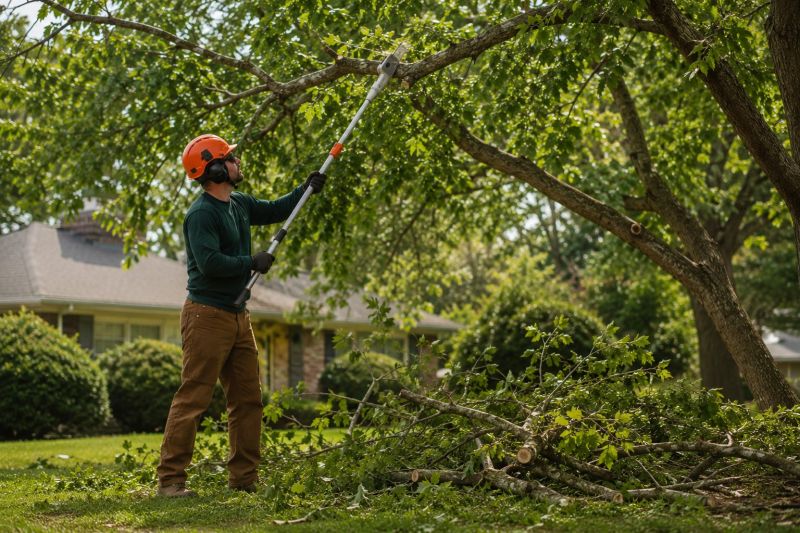
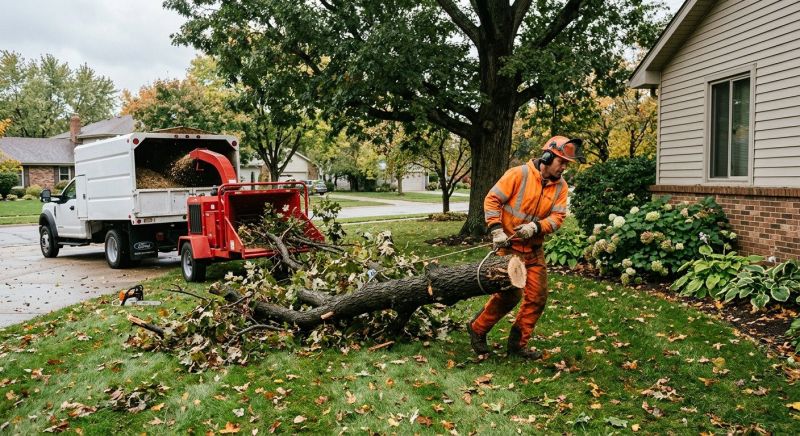
Removing overhanging branches reduces risks to people and property.
Tree Health And Maintenance
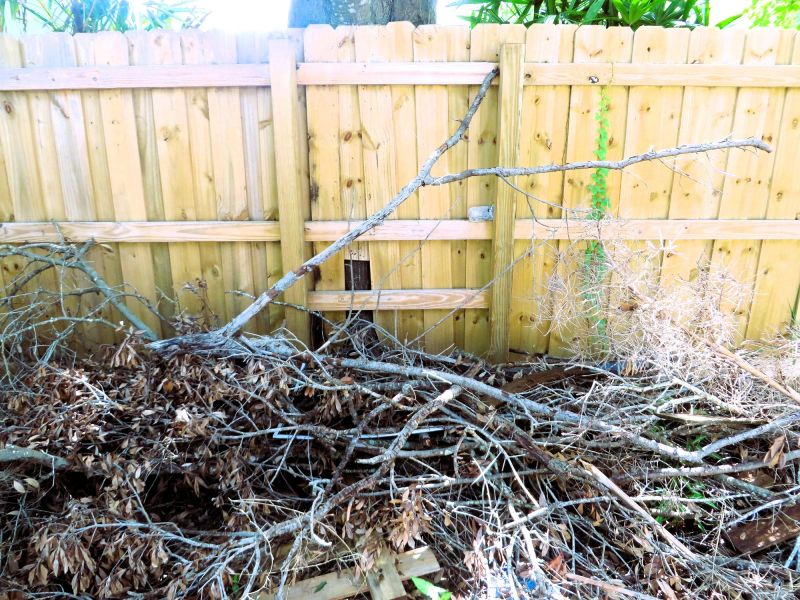
Pruning unwanted branches supports the overall health and growth of trees.
Property Appearance
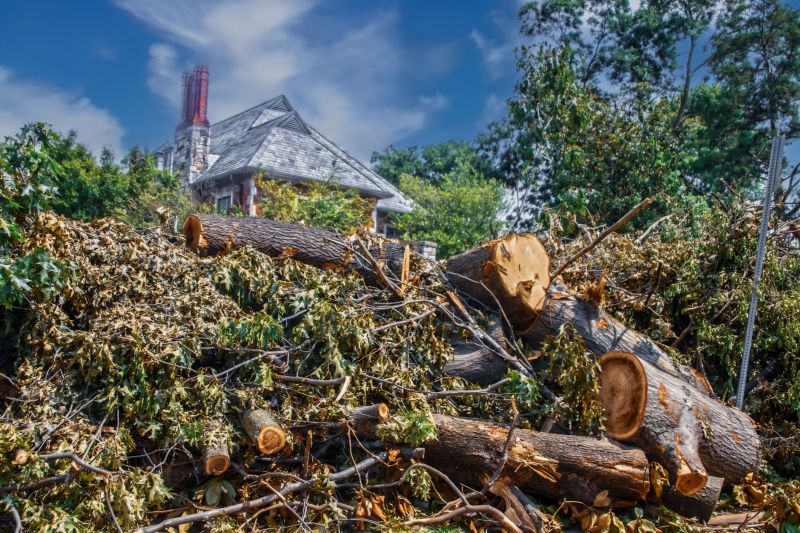
Trimming excess branches enhances the landscape and curb appeal of homes in honolulu, hi.
Tree Branches Removal in Honolulu, HI

Tree branches removal services involve trimming or cutting back overgrown or hazardous branches to maintain the health, safety, and appearance of trees on residential properties. This service covers a variety of projects, including removing dead or broken limbs, thinning dense canopies, and clearing branches that pose a risk to structures, power lines, or people. Property owners typically seek this service to prevent damage during storms, improve sunlight exposure, or enhance the overall aesthetic of their yard.
Before requesting tree branches removal, property owners should consider the size and location of the branches in question, as well as any potential impact on the overall health of the tree. It's also useful to understand if any permits are required for extensive trimming, especially for heritage or protected trees. Clear communication about the specific goals for branch removal can help ensure the project aligns with the property’s safety and landscape needs.
Many property owners in Honolulu, HI look into Tree Branches Removal for repairs, replacements, upgrades, and appearance-related improvements.
Common Tree Branches Removal Jobs
Tree branch removal involves trimming or cutting overgrown or damaged branches to improve tree health and safety.
Emergency branch removal addresses hazardous branches that pose an immediate risk during storms or high winds.
Crown thinning reduces branch density to allow more light and air circulation within the tree canopy.
Selective branch removal targets specific branches to shape the tree or prevent interference with structures or power lines.
Dead branch removal eliminates decayed or broken branches to prevent potential falling hazards.
Tree clearance for construction involves removing branches that obstruct building projects or landscaping plans.
Tree Branches Removal Questions
What types of tree branches can be removed? Branch removal services typically handle dead, damaged, or overgrown limbs to improve tree health and safety.
Is branch removal necessary for my property? Removing problematic branches can prevent property damage, reduce safety hazards, and promote healthy tree growth.
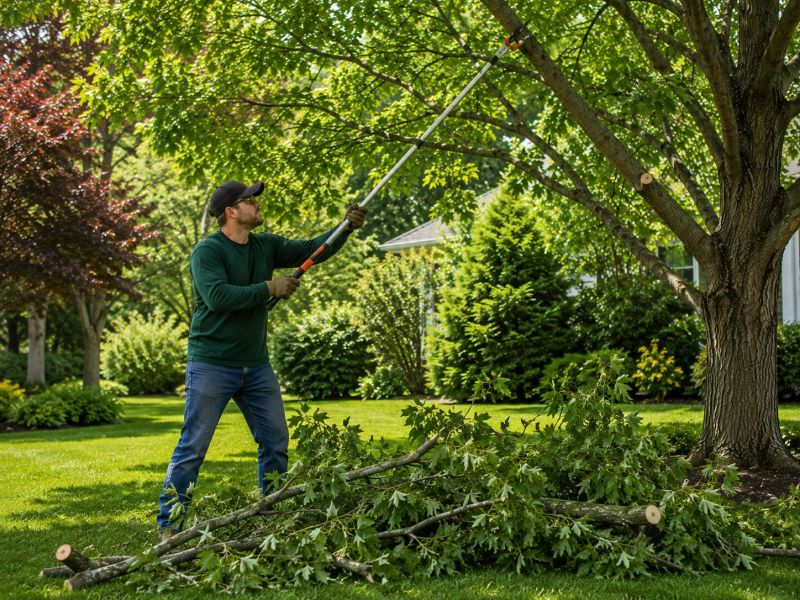
How are branches removed from tall trees? Branches are carefully pruned using specialized equipment to ensure safety and minimize impact on the tree.
What should property owners consider before requesting branch removal? Consider the location of branches, potential hazards, and the overall health of the tree to determine if removal is needed.
Request Tree Branches Removal in Honolulu, HI
Use the quote form on this page to share the basics of your project and request more information for the type of work you need.